What Is the Best Type of Dental Implant to Ask a Dentist for?
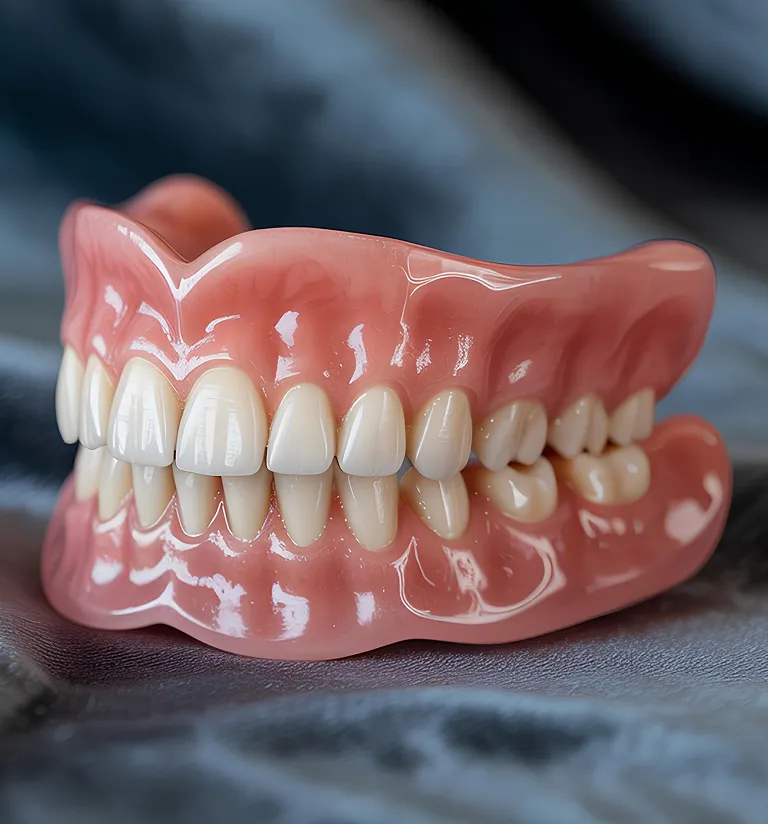
Dental implants have become the preferred solution for replacing missing teeth because they look natural, feel secure, and can last for many years. If you are considering implants, you may be wondering what type of dental implant is best to ask your dentist for. Since every patient has different needs, the right choice depends on your oral health, bone structure, the number of teeth missing, and your long-term goals.
This guide explains the different types of implants available and how to choose the one that works best for you.
What Are Dental Implants?
Dental implants Pelham are titanium or zirconia posts that are placed into the jawbone to act as artificial tooth roots. After the implant bonds with the bone, it supports a dental crown, bridge, or denture. Because they are anchored in the bone, implants provide better stability and function than any other tooth replacement option.
The Main Types of Dental Implants
Endosteal Implants
Endosteal implants are the most common and highly recommended type. They are shaped like small screws or cylinders and are placed directly into the jawbone. These implants provide strong support, feel natural, and have the highest long-term success rate.
For most patients with healthy bone density, endosteal implants are considered the best overall choice.
Subperiosteal Implants
Subperiosteal implants sit on top of the jawbone but underneath the gum tissue. They are used for patients who do not have enough bone for an endosteal implant and who prefer not to undergo bone grafting. Although they are less common today, they can be a solution in certain situations.
Mini Dental Implants
Mini implants are smaller than traditional implants and are often used to stabilize lower dentures or replace smaller teeth. They require less invasive surgery and allow for faster healing. However, they are not as strong as full-size implants and may not be suitable for heavy biting forces.
Mini implants are a good choice for patients who want a simpler treatment or who need extra support for loose dentures.
All on 4 Implants → All on 4 Implants (no change needed)
All-on-4 implants are designed for patients who are missing most or all of their teeth. This method uses four implants placed strategically in the jaw to support a full arch of teeth. Many patients can receive temporary teeth on the same day as the surgery.
All-on-4 implants offer a strong, stable, and long-lasting solution for full arch tooth replacement.
Which Dental Implant Is Best for You?
No one implant works for every patient, but the best option can be identified through a professional evaluation. Here is a general guide to help you understand what dentists usually recommend.
For most patients:
Endosteal implants are the preferred choice. They are strong, dependable, and long-lasting.
For patients with bone loss:
If bone grafting is an option, your dentist may recommend grafting followed by endosteal implants.
If bone grafting is not possible, subperiosteal implants or mini implants may be considered.
For patients missing most or all teeth:
All-on-4 implants provide a stable and efficient full arch replacement.
For patients with loose dentures:
Mini implants can help stabilize dentures and improve comfort.
Your dentist will evaluate your gum health, bone density, bite pressure, and overall oral condition before recommending the best type.
What Your Dentist Will Assess Before Recommending Implants? → What Will Your Dentist Assess Before Recommending Implants?
Before deciding on the right implant, your dentist will take several important steps, including:
- A full oral examination
- Dental X-rays or 3D imaging
- Review of your medical history
- Evaluation of jawbone strength
- Assessment of gum health
- Discussion about your goals and expectations
These steps help ensure that the implant you receive will be safe, effective, and long-lasting.
Why Dental Implants Are Worth Considering? → Why Are Dental Implants Worth Considering?
There are many reasons why dental implants are one of the most trusted tooth replacement solutions. They:
- Look natural and blend with your smile
- Feel and function like natural teeth
- Prevent bone loss in the jaw
- Allow you to eat comfortably
- Help maintain your facial structure
- Support long-term oral health
- Do not require grinding down neighboring teeth
- Offer a durable, long-lasting solution
Because implants integrate with your bone, they provide greater stability than traditional dentures and can significantly improve confidence and daily comfort.
How to Choose the Right Implant for Your Needs? → How to Choose the Right Implant for Your Needs (remove question mark)
Choosing the best type of dental implant is a decision that should be made together with your dentist. A detailed consultation will help you understand your options, what each implant type offers, and which option fits your oral health and lifestyle.
Your dentist will also help you understand the treatment timeline, healing process, and long-term care that implants require.
Final Thoughts
The best type of dental implant depends on your individual situation. Endosteal implants are the most common and reliable choice for most patients, while mini, subperiosteal, and All on 4 implants are excellent alternatives when bone structure or the number of missing teeth requires a different approach.
A thorough evaluation with a knowledgeable dentist will help you choose the right implant and ensure a strong, beautiful, and long-lasting smile.
Call Family Dental of Pelham today at (603) 635-2146 to schedule your dental consultation with Dr. Ruchieka Vij and Dr. Hitesh Vij. You may also email us at dentist@familydentalofpelham.com if you have any questions.
We proudly serve families across Lowell, Nashua, Lawrence, Haverhill, Merrimack, Tewksbury, Derry, Londonderry, Salem, Dracut, Hudson, Pelham, Tyngsborough, Methuen, Windham, and Litchfield.
A healthy smile builds confidence and comfort—and you deserve care that lasts a lifetime.
This form is for contact purposes only. Please do not share personal health information (PHI). We will call you to discuss your medical condition We will call you to discuss your medical condition, and we will address your concerns during your visit.

Monday: 8 AM - 5 PM
Tuesday: 8 AM - 5 PM
Wednesday: 8 AM - 5 PM
Thursday: 8 AM - 5 PM
Friday–Sunday: Closed

Call Us (603) 635-2146

Phone
Have dental questions? We are just a phone call away and ready to provide the answers you need.

Compassionate Care Meets Advanced Dentistry. Reserve your visit and take the first step toward a healthier smile.


©2026 Family Dental of Pelham. All Rights reserved | Privacy Policy | Digital Marketing by Remedo