A straighter smile can improve your confidence, your oral health, and even the way you bite and speak. Today, patients have more options than ever when it comes to orthodontic treatment. Two of the most popular solutions are clear aligners and traditional braces. Both methods can successfully correct misalignment, crowding, gaps, and bite issues, but they work differently and offer unique advantages.
If you are deciding between clear aligners and traditional braces, understanding how they compare can help you choose the best treatment for your smile goals and lifestyle.
What Are Clear Aligners?
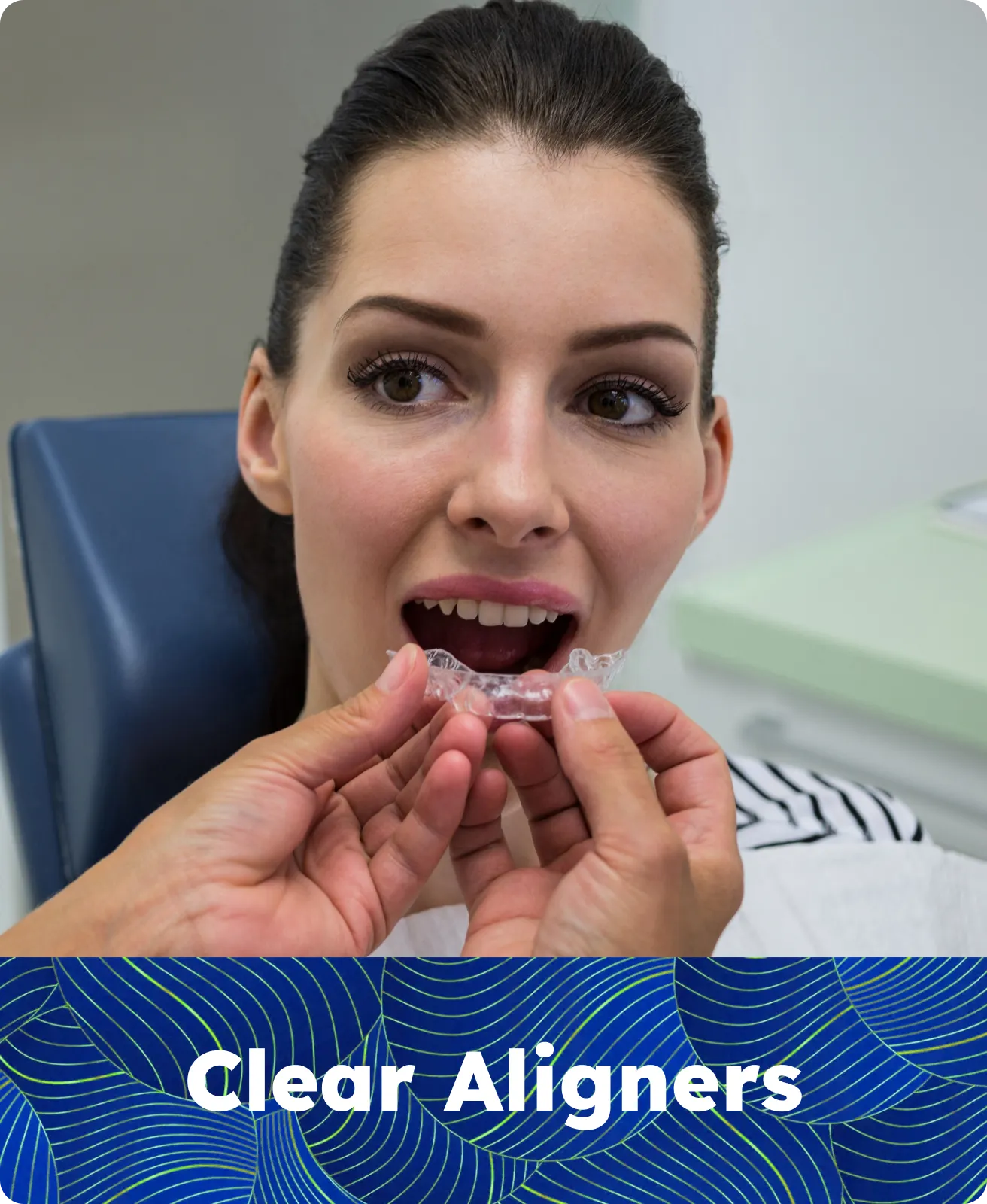
Clear aligners Hudson NH are removable, transparent trays that gradually shift your teeth into position. They are custom-made to fit your mouth and are replaced every one to two weeks as your teeth move. The most well-known brand is Invisalign, but there are several types available.
Clear aligners are designed to be discreet, comfortable, and convenient. Many teens and adults choose them because they straighten teeth without the look of brackets or wires.
What Are Traditional Braces?
Traditional braces use metal or tooth colored brackets that are bonded to the teeth and connected with wires. The dentist tightens or adjusts the wires periodically to move the teeth. Braces have been used for decades and are known for their effectiveness, especially for moderate to severe orthodontic problems.
Modern braces are smaller, more comfortable, and more efficient than they used to be, which makes them a reliable option for patients of all ages.
Appearance and Aesthetics
If you want the most discreet orthodontic option, clear aligners are the clear winner. They are transparent and difficult for others to notice, even at close range. Many adults prefer aligners because they allow them to straighten their teeth without affecting their professional or social appearance.
Traditional braces are more visible, even when using ceramic or tooth colored brackets. For patients who do not mind the look of braces or who want fun rubber band colors, braces remain a great option.
Comfort and Convenience
Clear aligners are smooth and do not involve metal parts, which reduces the risk of irritation to the cheeks and gums. Since they are removable, you can take them out while eating or brushing your teeth. There are no food restrictions, and cleaning your teeth is much easier compared to braces.
Traditional braces are fixed in place, which means you do not have to remember to wear them. However, the brackets and wires can cause temporary soreness or irritation. There are also dietary restrictions because hard or sticky foods can damage the braces.
Treatment Effectiveness
Both clear aligners and braces can correct a wide range of orthodontic concerns. Clear aligners are highly effective for mild to moderate alignment issues. Modern aligner technology has advanced enough to treat many bite problems as well.
Traditional braces are often recommended for more complex cases, including severe crowding, significant bite corrections, rotated teeth, or teeth that require vertical movement. Because braces offer more direct force, they remain the most versatile option for challenging orthodontic cases.
Lifestyle and Daily Habits
Clear aligners require discipline. You must wear them for 20 to 22 hours per day to get results. If you often forget to wear them or tend to misplace things, aligners may not be the best fit. They also need to be removed during meals and while drinking anything other than water.
Braces, on the other hand, work continuously because they stay in place. This makes them ideal for children, teens, or adults who do not want to worry about remembering to wear their aligners.
Treatment Time
Treatment time depends on the complexity of the case rather than the type of appliance. Many patients finish clear aligner treatment in 6 to 18 months. Traditional braces typically take 18 to 24 months, but severe cases may take longer.
Your dentist or orthodontist will estimate your timeline during your consultation.
Oral Hygiene and Maintenance
Clear aligners make it easy to maintain excellent oral hygiene. You can brush and floss normally because the trays are removed during cleaning. This helps reduce the risk of stains, plaque buildup, and gum problems.
Traditional braces require more effort when brushing and flossing. Food can get trapped around the brackets, so it is important to maintain good cleaning habits. Special tools such as interdental brushes or floss threaders may be needed.
Cost Considerations
The cost of orthodontic treatment varies based on the treatment time, complexity, and the dental office. Clear aligners and braces are often similar in price, although aligners may cost slightly more in some cases. Your dentist will provide a detailed estimate based on your specific needs.
Which Option Is Better for You?
Choosing between clear aligners and traditional braces depends on your priorities and your orthodontic condition.
Clear aligners may be the better choice if you want:
- A nearly invisible treatment
- Removable trays
- More comfort
- No food restrictions
- Easier brushing and flossing
Traditional braces may be the better choice if you need:
- Treatment for more complex alignment issues
- Continuous, non-removable appliances
- A solution that does not rely on patient compliance
- A more affordable option in some cases
The best way to determine the right choice is through a professional consultation where your dentist evaluates your teeth, bite, and overall oral health.
Final Thoughts
Both clear aligners and traditional braces can help you achieve a straighter, healthier smile. The decision comes down to your goals, lifestyle, and the complexity of your orthodontic needs. With the guidance of a skilled dentist, you can choose the option that fits you best and begin your journey toward the confident smile you deserve.
Call Family Dental of Pelham today at (603) 635-2146 to schedule your dental consultation with Dr. Ruchieka Vij and Dr. Hitesh Vij, or email us at dentist@familydentalofpelham.com with any questions.
Proudly serving families across Lowell, Nashua, Lawrence, Haverhill, Merrimack, Tewksbury, Derry, Londonderry, Salem, Dracut, Hudson, Pelham, Tyngsborough, Methuen, Windham, and Litchfield.
A healthy smile builds confidence and comfort — and you deserve care that lasts a lifetime.
This form is for contact purposes only. Please do not share personal health information (PHI). We will call you to discuss medical conditions or to address them during your visit.

Monday: 8 AM - 5 PM
Tuesday: 8 AM - 5 PM
Wednesday: 8 AM - 5 PM
Thursday: 8 AM - 5 PM
Friday-Sunday: Closed

Call Us: (603) 635-2146