Do All Wisdom Teeth Need to Be Removed?
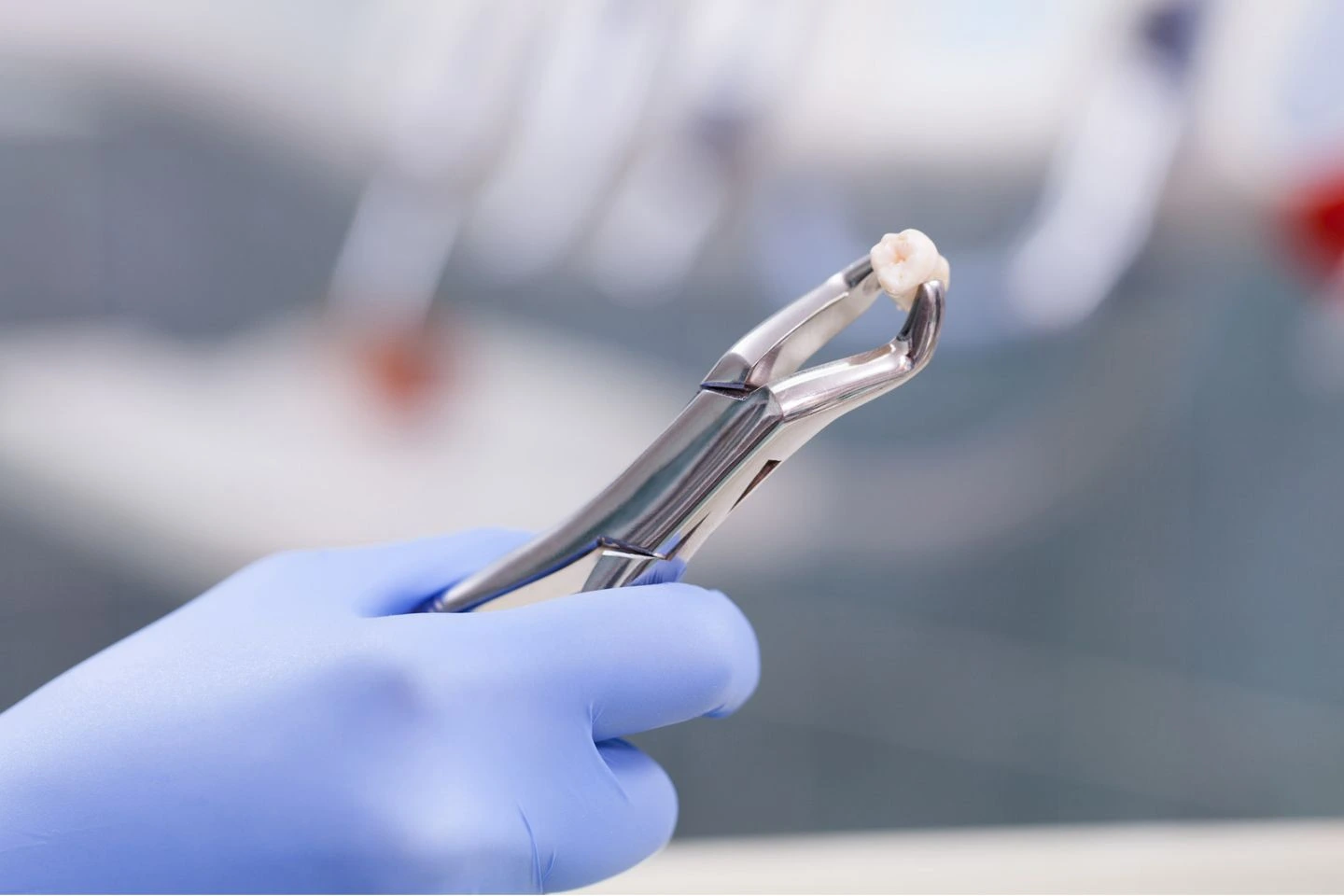
If you or your teenager just found out there are wisdom teeth coming in, you've probably already heard a handful of opinions on what to do next. Some people had theirs pulled at sixteen. Others still have all four sitting quietly in their jaw well into their forties with no issues at all. So which situation applies to you? Honestly, that's the real question, and it's a lot more personal than most people expect. There isn't one rule that fits every mouth. That's exactly why this decision needs a dentist looking at your actual X-rays, not a story about what happened to your friend or your sibling.
At Family Dental of Pelham, we look at wisdom teeth on a case-by-case basis. The honest answer? Some people genuinely don't need them removed, while others are headed toward real trouble if the teeth stay put. This article is here to help you understand what actually separates those two groups.
What Determines Whether Your Wisdom Teeth Need to Come Out?
The decision usually comes down to space, position, and how the tooth behaves over time. A wisdom tooth that's fully erupted, sits upright, matches its opposite tooth, and is easy to clean is a completely different than one that's angled sideways or trapped beneath the gum line.
Here are the main factors your dentist will weigh when looking at your specific situation.
- Whether there's enough room in your jaw for the tooth to fully erupt.
- The angle the tooth is growing in, straight up, sideways, or angled into neighboring teeth.
- Whether the tooth is partially covered by gum tissue, which can trap food and bacteria.
- Signs of infection, swelling, or recurring pain around the area.
- Whether the tooth is contributing to crowding or pressure on nearby teeth.
- How easily you're able to clean around the tooth with a toothbrush and floss.
- Any cysts, cavities, or bone loss visible on X-ray near the tooth.
None of these factors mean much on their own. A tooth that's a little crowded but still cleanable and symptom-free might just need watching. A tooth that's impacted and pressing into the roots next door? Different story entirely. This is why X-rays matter so much here. A lot of what decides the right path forward is happening below the gum line, where you simply can't see it.
Can Wisdom Teeth Stay in Without Causing Problems?
Yes. Genuinely, for some people, this works out fine. Jaw size varies quite a bit from person to person, and some jaws have plenty of room for a third set of molars to come in normally, sit flush with the bite, and function just like any other tooth. When that's the case, and the tooth is fully erupted and easy to keep clean, there's often no clinical reason to take it out.
What Ongoing Monitoring Looks Like
If your dentist decides to leave a wisdom tooth in place, that doesn't mean it's forgotten about. It usually means checking on it at regular cleanings and taking periodic X-rays to watch for changes in position, bone level, or signs of decay. Things shift over the years. A tooth that looked fine at twenty may need a second look at thirty. This kind of ongoing monitoring is just normal care, not a sign that something got missed the first time around.
What Are the Signs a Wisdom Tooth Should Come Out?
Certain symptoms tend to point pretty clearly toward removal. Sound familiar? If you're noticing any of these, it's worth getting evaluated sooner rather than later, since impacted teeth don't tend to fix themselves.
- Recurring pain or pressure at the back of the jaw
- Swollen or tender gums around the area
- Difficulty opening your mouth fully
- Bad breath or an unpleasant taste that keeps coming back, which can point to trapped bacteria
- Pressure or damage involving nearby teeth
- Jaw stiffness or a dull ache that spreads toward your ear
Any one of these alone isn't necessarily an emergency. But together, they usually mean the tooth is causing more trouble than it's worth keeping.
Does Age Affect the Decision?
Age plays a bigger role here than a lot of people realize. Wisdom teeth roots are still forming in the late teens and early twenties, which generally makes extraction more straightforward and recovery a bit more predictable at that stage. Once the roots are fully developed and more anchored into the jawbone, removal tends to mean a longer recovery. This is part of why dentists often recommend dealing with problem teeth earlier rather than waiting, even if there's no pain yet. Waiting isn't wrong in every case. But it does change what the procedure looks like later on.
What Happens During the Evaluation Appointment?
A wisdom tooth evaluation is pretty straightforward, honestly. It usually starts with a visual exam and a conversation about any symptoms you've noticed, followed by X-rays that show the position of the roots, how the tooth relates to the nerve in your jaw, and how much bone surrounds it. From there, your dentist walks you through what your specific X-rays show and explains, in plain terms, which category your teeth fall into. This is also the point where questions about oral surgery in Pelham, NH come up most often, since people want to know what the actual procedure would involve if extraction gets recommended.
Ready to Get Started?
If you're dealing with jaw discomfort, or you simply haven't had your wisdom teeth checked in a while, it's worth getting a clear picture of where things stand. Family Dental of Pelham offers evaluations that include a full look at your X-rays and an honest conversation about whether removal makes sense for your specific mouth (not a generic answer based on age alone). Family Dental of Pelham also provides oral surgery in Pelham, NH for those who do need extraction, so you can get an evaluation and a treatment plan without being sent somewhere else. Reach out to Family Dental of Pelham to schedule a consultation and get real answers about your wisdom teeth.
Frequently Asked Questions About Wisdom Teeth
Q: Do wisdom teeth always need to be removed even if they're not hurting?
A: No. A tooth that's fully erupted, sits in a normal position, and is easy to clean may not need removal at all. Pain isn't the only factor dentists look at, so a lack of pain doesn't automatically mean a tooth is problem-free. Plenty of wisdom teeth genuinely stay healthy without ever being extracted.
Q: What happens if an impacted wisdom tooth is left alone?
A: Impacted teeth can lead to infection, cysts, crowding, or damage to the roots of the neighboring tooth over time. These issues don't typically fix themselves, which is why impacted teeth get monitored closely once they're identified.
Q: Is there an ideal age to have wisdom teeth removed?
A: Many dentists find that extraction tends to be more straightforward in the late teens to early twenties, before the roots are fully developed. That said, plenty of adults have wisdom teeth removed later in life without complications.
Q: How can I tell if I need an X-ray for my wisdom teeth?
A: If you're experiencing jaw pain, swelling, pressure, or haven't had dental X-rays in a year or more, it's a reasonable time to get evaluated. X-rays are a reliable way to see the tooth's position and root development below the gum line.
Q: Does removing wisdom teeth affect the rest of my smile?
A: Removing a problematic wisdom tooth doesn't typically affect the alignment of your other teeth. In fact, leaving a crowded or impacted tooth in place is more often the thing that contributes to shifting or pressure on nearby teeth.
Call Family Dental of Pelham today at (603) 635-2146 to schedule your dental consultation with Dr. Ruchieka Vij and Dr. Hitesh Vij. You may also email us at dentist@familydentalofpelham.com if you have any questions.
We proudly serve families across Lowell, Nashua, Lawrence, Haverhill, Merrimack, Tewksbury, Derry, Londonderry, Salem, Dracut, Hudson, Pelham, Tyngsborough, Methuen, Windham, and Litchfield.
A healthy smile builds confidence and comfort—and you deserve care that lasts a lifetime.
This form is for contact purposes only. Please do not share personal health information (PHI). We will call you to discuss your medical condition We will call you to discuss your medical condition, and we will address your concerns during your visit.

Monday: 8 AM - 5 PM
Tuesday: 8 AM - 5 PM
Wednesday: 8 AM - 5 PM
Thursday: 8 AM - 5 PM
Friday–Sunday: Closed

Call Us (603) 635-2146

Phone
Have dental questions? We are just a phone call away and ready to provide the answers you need.


Compassionate Care Meets Advanced Dentistry. Reserve your visit and take the first step toward a healthier smile.


©2026 Family Dental of Pelham. All Rights reserved | Privacy Policy | Digital Marketing by Remedo