Do I Need Oral Surgery? 7 Signs You Should Not Ignore
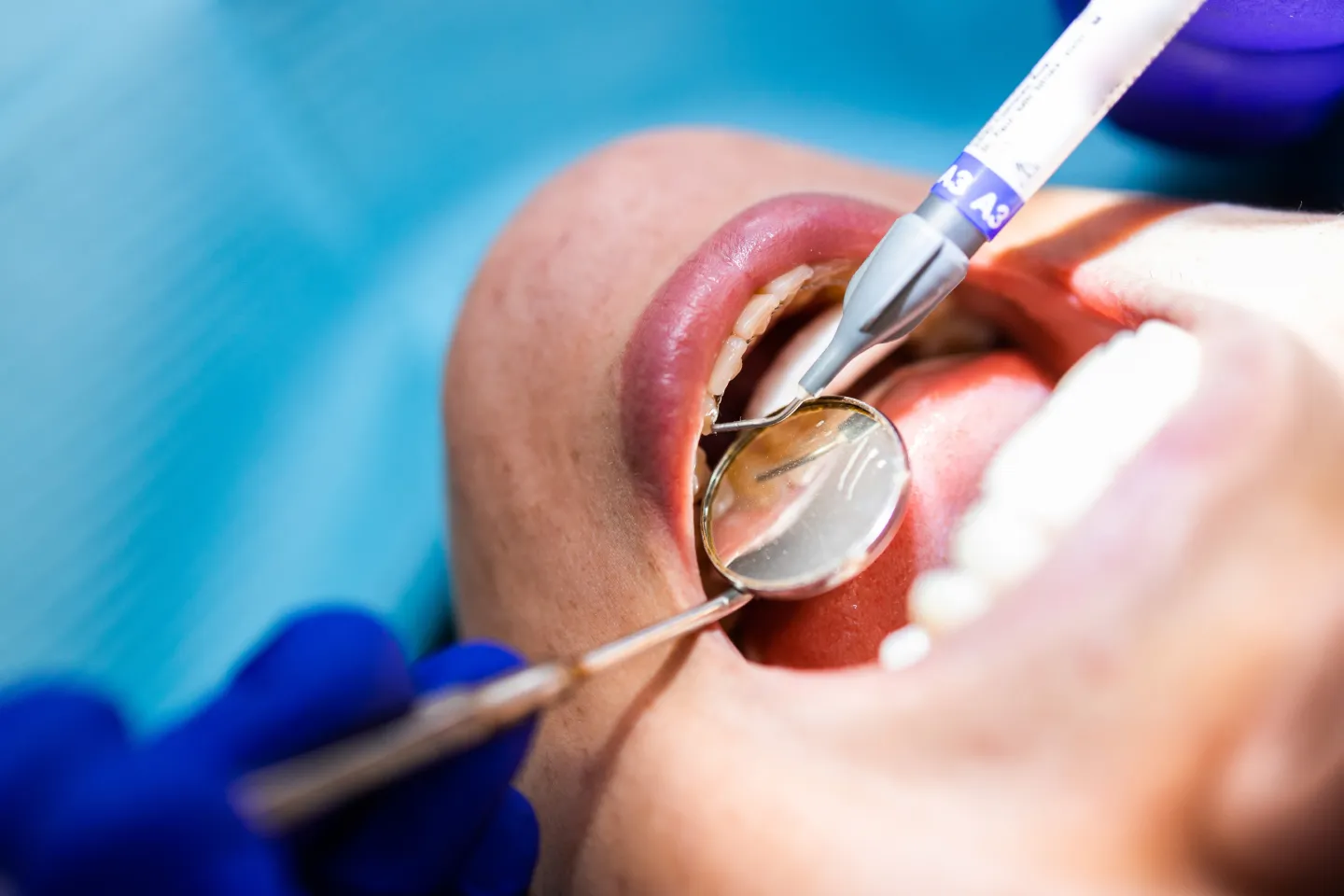
Most people hear the words "oral surgery" and immediately feel a bit of a chill. It is natural to feel a little nervous about the idea of a surgical procedure. However, oral surgery is often the very thing that stops chronic pain and prevents a small dental issue from turning into a major health crisis. It is not just about "major" operations; it is about precision care designed to save your smile and your long-term health.
If you have been experiencing discomfort or noticing changes in your mouth, you might be wondering if a simple filling is enough or if something more involved is necessary. At Family Dental of Pelham (General and Implant Dentistry), we believe in empowering our neighbors with clear, honest information. If you are looking for oral surgery in Pelham, NH, understanding the warning signs can help you seek care before things get complicated.
Here are seven signs that you should not ignore.
Persistent Jaw Pain or Popping
We often dismiss jaw pain as stress or a temporary muscle ache. However, if you notice a constant dull ache in your jaw, or if your jaw clicks, pops, or "locks" when you eat or speak, it could be a sign of Temporomandibular Joint (TMJ) disorder.
While some TMJ issues can be managed with mouthguards or physical therapy, some structural problems within the joint might require surgical intervention. If the pain is making it hard to chew or is causing chronic headaches, it is time to have a professional look at the alignment of your jaw.
Impacted Wisdom Teeth
Wisdom teeth are famous for causing trouble. Because our modern jaws are often too small to accommodate these extra molars, they often get "impacted," meaning they are stuck under the gumline or growing in at an awkward angle.
You might feel pressure in the back of your mouth, notice swelling in your gums, or experience a dull throb that radiates toward your ear. Impacted wisdom teeth can push against your other teeth, causing misalignment, or even lead to cysts and infections. Removing them is one of the most common types of oral surgery, and it is often the best way to protect the rest of your straight, healthy smile.
A Tooth That Is Beyond Saving
As dentists, our first goal is always to save your natural teeth. However, there are times when a tooth is so severely cracked, decayed, or damaged by trauma that a root canal or a crown simply will not work.
Leaving a dead or dying tooth in your mouth is a recipe for infection and bone loss. In these cases, a dental professional can perform a tooth extraction. The good news is that we have incredible options for replacement today, such as dental implants, which can be discussed as part of your surgical plan.
Significant Bone Loss in the Jaw
If you have been missing a tooth for a long time, you might have noticed that the gum area looks a bit sunken. This happens because the jawbone needs the stimulation of a tooth root to stay dense. Without that stimulation, the bone begins to "resorb" or shrink away.
If you want to get dental implants but do not have enough bone to support them, you might need a bone graft. This is a common oral surgery procedure where new bone material is added to your jaw, encouraging your body to build a sturdy foundation for future restorations.
Loose Teeth in Adulthood
Unless you are a child waiting for the tooth fairy, a loose tooth is a major red flag. In adults, loose teeth are often a sign of advanced periodontal (gum) disease. When the infection reaches the bone and the ligaments that hold your teeth in place, they begin to lose their grip.
Sometimes, surgical intervention is needed to clean out deep pockets of infection or to perform a gum graft to cover exposed roots and stabilize the teeth. Addressing this early is the only way to avoid losing the tooth entirely.
Unusual Lumps, Bumps, or Sores
Your mouth is one of the most common places for various types of oral lesions to appear. Most of the time, a sore is just a canker sore or a bit of irritation from crunchy food. However, if you have a sore that does not heal within two weeks, or if you notice a thick white or red patch that feels "fixed" in place, you should have it checked.
Oral surgery can involve taking a small biopsy of the tissue to ensure everything is healthy. Early detection is everything when it comes to oral health, and a quick, simple biopsy can provide immense peace of mind.
Difficulty Swallowing or Breathing
While this might seem like a general medical issue, it can often be rooted in the structure of your mouth or jaw. If your jaw is severely misaligned (an "overbite" or "underbite" that affects function), it can actually restrict your airway or make swallowing difficult.
Corrective jaw surgery, also known as orthognathic surgery, can reposition the jawbones to improve function. This is often a life-changing procedure for people who have struggled with sleep apnea or eating difficulties for years.
Seeking Oral Surgery in Pelham, NH
At Family Dental of Pelham (General and Implant Dentistry), we know that the thought of surgery can be stressful. Our approach to oral surgery in Pelham, NH is built on a foundation of empathy and modern technology. We do not just see a clinical problem; we see a neighbor who wants to live without pain and eat without worry.
We take the time to walk you through your scans, explain the "why" behind our recommendations, and ensure you feel comfortable with your sedation and recovery options.
Surgery is a tool we use to help you get back to your normal life.
Frequently Asked Questions
Q: Is oral surgery painful?
A: With modern anesthesia and sedation options, you should not feel any pain during the procedure itself. We focus heavily on making sure you are completely numb and relaxed. After the procedure, we provide a detailed plan for managing any discomfort during the healing process, which most patients find is very manageable.
Q: How long is the recovery time?
A: It depends on the procedure. A simple extraction might only require a day or two of rest, while wisdom teeth or bone grafts might require about a week of taking it easy. We will give you specific timelines so you can plan your work and family schedule accordingly.
Q: Do I need a referral for oral surgery?
A: While many people are referred by their general dentist, you can certainly schedule a consultation if you are experiencing any of the warning signs mentioned above. We will perform a thorough exam to see if surgery is the right path for you.
Q: Will my insurance cover oral surgery?
A: Many dental and even some medical insurance plans provide coverage for oral surgery, especially when it is medically necessary (like impacted teeth or biopsies). Our team is happy to help you navigate your benefits and understand your out-of-pocket costs.
Q: What can I eat after surgery?
A: For the first few days, you will want to stick to soft foods like yogurt, mashed potatoes, and smoothies (but no straws!). We will provide a list of "safe" foods to help you heal quickly without irritating the surgical site.
A Simple, Caring Way to Support Your Smile
If you have been noticing any of these seven signs, please do not wait for the pain to become unbearable. Your mouth is the gateway to your overall health, and addressing these issues early often means simpler, less invasive treatments.
We are here to be your partners in health. Whether it is a routine wisdom tooth removal or a more complex jaw issue, we treat every patient with the same care and respect we would show our own family. You do not have to live with discomfort or uncertainty. Let's talk about what you are experiencing and find a solution that helps you smile with confidence again.
Do you have concerns about your dental health or think you might need an evaluation? Contact Family Dental of Pelham (General and Implant Dentistry) today to schedule a consultation. We are here to help our Pelham neighbors achieve their healthiest smiles.
Call Family Dental of Pelham today at (603) 635-2146 to schedule your dental consultation with Dr. Ruchieka Vij and Dr. Hitesh Vij. You may also email us at dentist@familydentalofpelham.com if you have any questions.
We proudly serve families across Lowell, Nashua, Lawrence, Haverhill, Merrimack, Tewksbury, Derry, Londonderry, Salem, Dracut, Hudson, Pelham, Tyngsborough, Methuen, Windham, and Litchfield.
A healthy smile builds confidence and comfort—and you deserve care that lasts a lifetime.
This form is for contact purposes only. Please do not share personal health information (PHI). We will call you to discuss your medical condition We will call you to discuss your medical condition, and we will address your concerns during your visit.

Monday: 8 AM - 5 PM
Tuesday: 8 AM - 5 PM
Wednesday: 8 AM - 5 PM
Thursday: 8 AM - 5 PM
Friday–Sunday: Closed

Call Us (603) 635-2146

Phone
Have dental questions? We are just a phone call away and ready to provide the answers you need.

Compassionate Care Meets Advanced Dentistry. Reserve your visit and take the first step toward a healthier smile.


©2026 Family Dental of Pelham. All Rights reserved | Privacy Policy | Digital Marketing by Remedo