Gum disease is one of the most common oral health problems among adults, yet many people do not realize they have it until it has already progressed. The earliest stages of gum disease are often painless, which makes it easy to overlook. However, catching gum disease early is the key to preventing serious complications like gum recession, tooth mobility, and even tooth loss.
Understanding the early warning signs and knowing how periodontal treatment can help will empower you to protect your smile before the condition becomes severe.
What Is Gum Disease?
Gum disease, also known as periodontal disease, is an infection of the gums and supporting tissues around the teeth. It begins with bacterial plaque that builds up along the gumline. If not removed regularly through brushing and flossing, plaque hardens into tartar, which irritates the gums and causes inflammation.
Gum disease develops in stages, starting with gingivitis and progressing into periodontitis if left untreated. Early intervention is crucial because gum disease does not go away on its own.
Early Signs of Gum Disease
Recognizing the early symptoms can help you take action before permanent damage occurs. Here are the most common warning signs:
Red or Swollen Gums
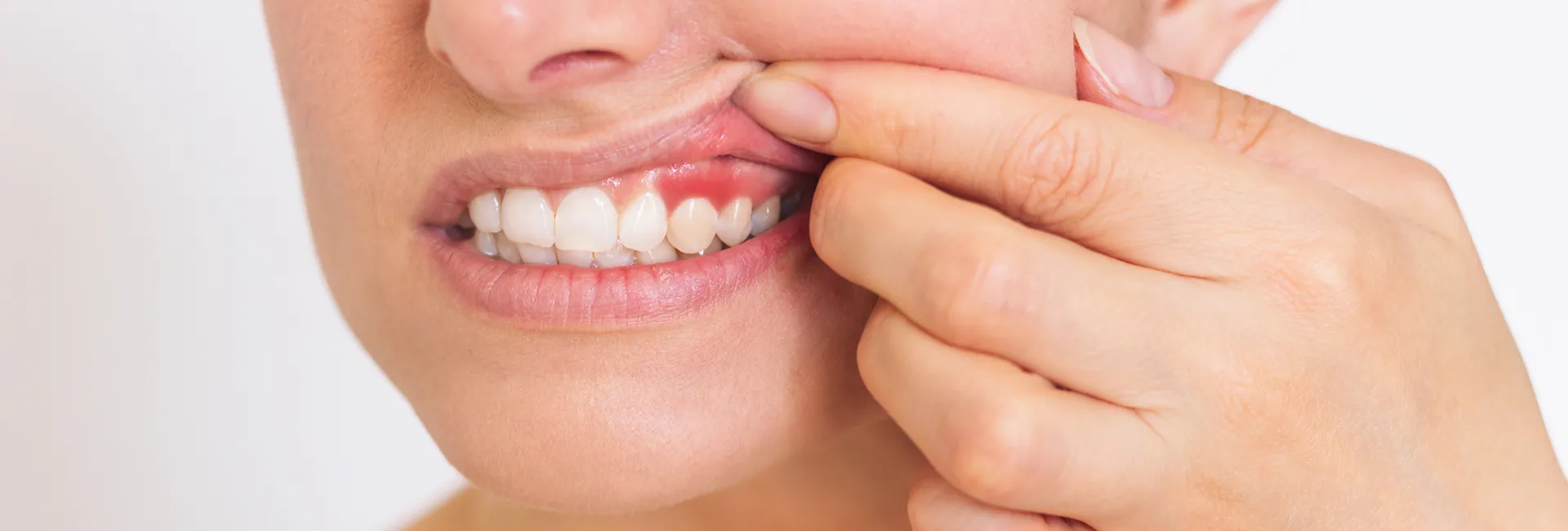
Healthy gums should be firm and pink. If your gums look puffy, tender, or darker in color, it may be an early indication of gum inflammation.
Bleeding When Brushing or Flossing
Gums should not bleed during your daily oral hygiene routine. Even light bleeding is a signal that bacteria are irritating your gum tissue.
Persistent Bad Breath
Bad breath that does not improve with brushing, flossing, or mouthwash may be caused by bacteria trapped beneath the gumline.
Gum Sensitivity
If your gums feel sore, irritated, or painful when eating or brushing, it may indicate the early stages of gum disease.
Mild Gum Recession
Gums that appear to be pulling away from the teeth or exposing more of the tooth surface may signal early tissue damage.
Changes in Bite or Tooth Position
Although more common in advanced stages, even slight changes in the way your teeth fit together can indicate gum and bone changes.
If you notice any of these symptoms, contacting a dentist as soon as possible is the best way to prevent the problem from worsening.
Why Early Treatment Matters?
Gum disease is progressive. This means it becomes more damaging over time if not treated. Gingivitis, the earliest stage, can often be reversed with professional cleanings and improved oral hygiene. Once it progresses to periodontitis, the supporting bone and tissues begin to break down, leading to irreversible damage.
Early periodontal treatment helps stop the infection, protect the gums, and preserve the bone structure that supports your teeth. The sooner you seek treatment, the better your chances of fully restoring gum health.
How Periodontal Treatment Can Save Your Smile?
Periodontal care involves treating the gums, bone, and ligaments that support your teeth. Depending on the severity of gum disease, your dentist may recommend one or more of the following treatments.
Professional Dental Cleaning
In the earliest stage of gum disease, a routine dental cleaning may be enough to remove plaque and tartar buildup above the gumline. This helps eliminate bacteria and reduce inflammation.
Scaling and Root Planing
This deep cleaning procedure removes tartar and bacteria from below the gumline and smooths the root surfaces so the gums can reattach. Scaling and root planing are highly effective for treating mild to moderate periodontitis.
Antibiotic Therapy
Your dentist may use topical or oral antibiotics to control infection and promote healing, especially if deep pockets around the teeth are present.
Laser Gum Therapy
Laser treatment targets infected tissue and bacteria while minimizing discomfort and bleeding. It promotes faster healing and can be used as an alternative to traditional gum surgery in some cases.
Gum Surgery
In more advanced cases, surgical treatment may be necessary to clean deep pockets, reshape the gums, or regenerate lost bone tissue. Although surgery is reserved for severe cases, it can be very effective at restoring gum health and preventing further damage.
How to Prevent Gum Disease from Returning?
After treatment, maintaining healthy gums is a lifelong commitment. Here are steps to keep your gums strong and disease-free:
- Brush twice a day using proper technique.
- Floss daily to remove plaque between teeth
- Use an antimicrobial mouthwash if recommended.
- Avoid tobacco, which increases the risk of infection.
- Eat a balanced diet to support gum health.
- Visit your dentist regularly for professional cleanings.
- Follow any personalized home care instructions from your dentist.
Consistent care is the best defense against recurring gum disease.
Protect Your Smile Before It Is Too Late
Gum disease Hudson NH is highly treatable when caught early. Ignoring the signs can lead to serious complications, but early intervention and professional periodontal care can stop the infection, preserve your teeth, and restore your gum health.
If you are experiencing symptoms such as bleeding gums, chronic bad breath, or gum sensitivity, it is important to seek professional help right away. With the right treatment plan and proper at-home care, you can keep your smile healthy, strong, and beautiful for years to come.
Call Family Dental of Pelham today at (603) 635-2146 to schedule your dental consultation with Dr. Ruchieka Vij and Dr. Hitesh Vij, or email us at dentist@familydentalofpelham.com with any questions.
Proudly serving families across Lowell, Nashua, Lawrence, Haverhill, Merrimack, Tewksbury, Derry, Londonderry, Salem, Dracut, Hudson, Pelham, Tyngsborough, Methuen, Windham, and Litchfield.
A healthy smile builds confidence and comfort — and you deserve care that lasts a lifetime.
This form is for contact purposes only. Please do not share personal health information (PHI). We will call you to discuss medical conditions or to address them during your visit.

Monday: 8 AM - 5 PM
Tuesday: 8 AM - 5 PM
Wednesday: 8 AM - 5 PM
Thursday: 8 AM - 5 PM
Friday-Sunday: Closed

Call Us: (603) 635-2146