Tooth Extraction Healing Stages: What to Expect Each Day
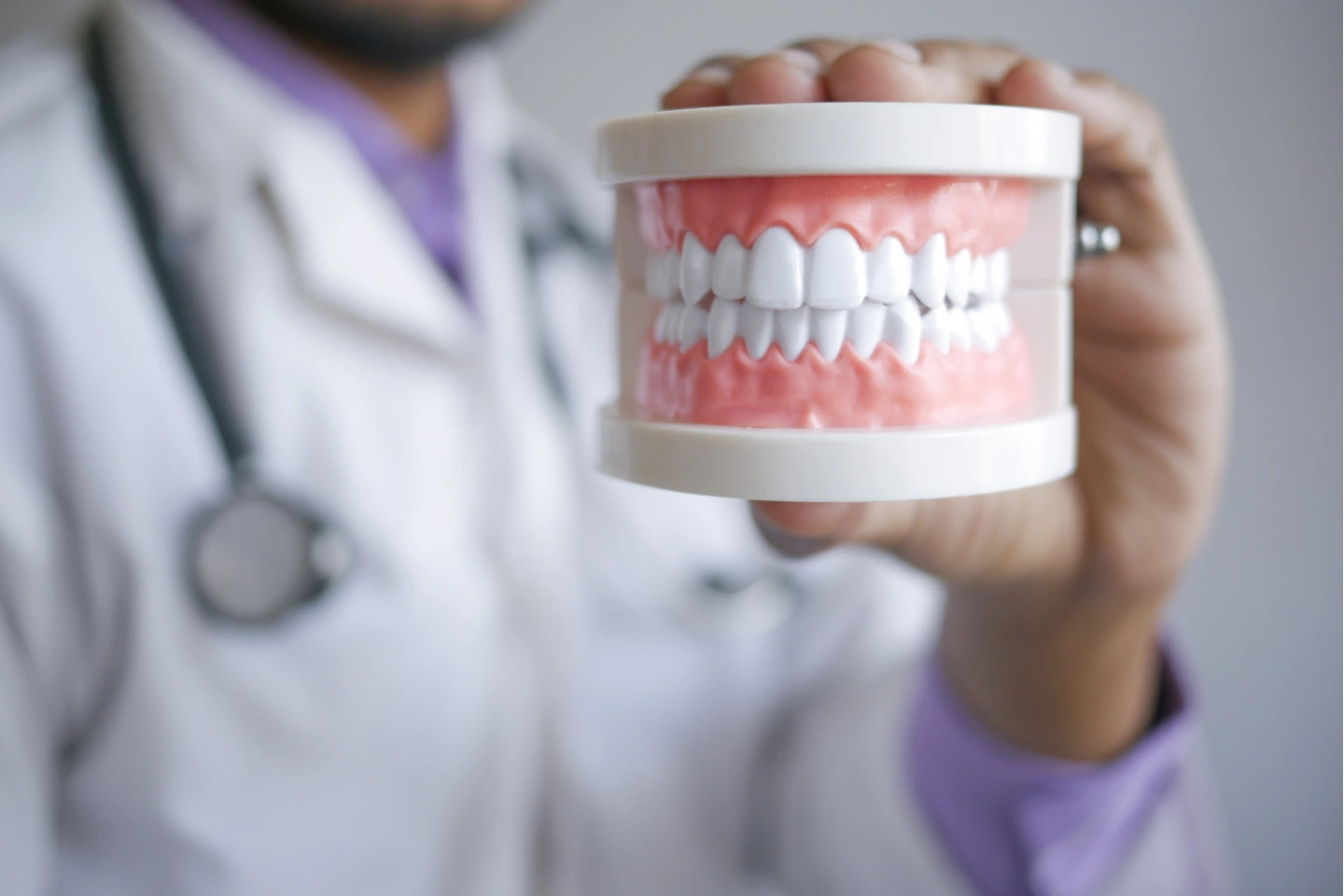
If you've got a tooth extraction coming up, you've probably already found two very different corners of the internet: the horror stories about dry socket and swelling, and the folks insisting it's really no big deal. Truth is, reality sits somewhere in the middle. And it depends a lot on whether you're looking at a simple extraction or a surgical one. That distinction actually matters, because the healing timeline and the day-to-day symptoms can look pretty different depending on which one you had.
A simple extraction usually involves a tooth that's fully visible above the gumline, removed with local anesthesia and basic instruments. A surgical extraction is a different approach altogether. It often involves a tooth that's impacted, broken below the gumline, or otherwise hard to reach, and it may require incisions or sectioning the tooth into pieces. People considering oral surgery in Pelham, NH often ask which category their procedure falls into, since that answer shapes what the healing week actually looks like.
At Family Dental of Pelham, you're walked through what to expect based on your specific procedure, since a one-size-fits-all recovery timeline doesn't really exist. Still, there are general patterns worth knowing. Knowing them ahead of time makes the whole process feel a lot less unpredictable.
Simple Extraction vs. Surgical Extraction: What's the Practical Difference?
The biggest difference between the two isn't what happens during the appointment. It's what happens in the days after. Simple extractions tend to involve less tissue disruption, so swelling and discomfort are usually milder and shorter-lived. Surgical extractions, because they involve deeper work in the bone and gum tissue, typically come with more noticeable swelling, a longer stretch of tenderness, and sometimes stitches that need to be checked or removed.
- Simple extraction: less swelling, shorter downtime, often back to normal activity within a day or two
- Surgical extraction: more swelling, possible bruising, downtime that can stretch to several days
Both types share the same core healing stages, just at different intensities and speeds
Understanding which category applies to you helps set realistic expectations. Your recovery isn't your friend's recovery. Different tooth, different procedure, different timeline.
What Happens on Day 1 After a Tooth Extraction?
The first 24 hours are all about the clot. A blood clot forms in the socket almost immediately, and protecting it is the single most important thing you can do. This is true whether you had a simple or surgical extraction, though surgical patients may notice more initial bleeding and facial fullness from swelling.
Bleeding and Swelling in the First Few Hours
Some oozing is normal for the first few hours. No need to panic. Biting down gently on gauze, changing it as needed, and skipping the vigorous rinsing or spitting helps that clot stay put. Ice packs applied in short intervals can help limit swelling, especially after surgical extractions. Facial swelling tends to peak around day two or three rather than day one.
What Does Day 2 to Day 3 Feel Like?
This is usually when swelling hits its peak, particularly after surgical extractions. Discouraging if you expected to feel better by now? Sure. But it's a normal part of the process, not a sign something went wrong. Discomfort is generally manageable with the pain medication or over-the-counter options your dentist recommended.
- Swelling often peaks around day 2 or 3, then starts to go down.
- Mild bruising on the cheek or jaw can appear, especially after surgical extractions.
- Jaw stiffness is common if the mouth was held open for an extended period during the procedure.
Simple extraction patients often feel noticeably better by day two. Some are back at light work or school already. Surgical extraction patients may still need to take it easy through day three.
How Long Does Soreness Last Around Day 4 to Day 7?
By the middle of the first week, most of the sharp discomfort should be fading into a duller soreness. The socket is still healing internally, but external swelling should be visibly reduced by now. If stitches were placed during a surgical extraction, this is often when a follow-up visit gets scheduled to check healing or remove non-dissolvable sutures.
Diet and Activity During This Stage
Soft foods still rule this stage. Think mashed potatoes, scrambled eggs, yogurt, and smoothies without a straw, since suction can dislodge the healing clot. Gradually working slightly firmer foods back in is usually fine, as long as they don't require chewing directly on the extraction site.
What Should Healing Look Like After One to Two Weeks?
By the end of week one, most people report feeling close to normal, particularly after a simple extraction. Surgical extraction sites may still be closing at the gum tissue level, and it's common for the area to feel slightly tender to the touch even when the pain has otherwise resolved.
- Gum tissue continues closing over the socket through week two.
- Any remaining stitches may dissolve or may be removed depending on the type used.
Full bone healing underneath the gum tissue takes considerably longer, often several months, though this doesn't affect daily comfort
Here's the thing: "feeling healed" and "fully healed" aren't the same. The surface tissue closes up fast. The bone structure underneath keeps remodeling well beyond the two-week mark, quietly, in the background, long after you've stopped thinking about it.
What Are the Warning Signs of a Healing Problem?
Most extractions heal without complications. But knowing what's not normal is genuinely useful. Dry socket, which happens when the blood clot dislodges too early, tends to show up around day three or four with a sharp increase in pain rather than a gradual decrease.
- Pain that worsens instead of improving after day three.
- A bad taste or odor coming from the extraction site.
- Fever, or swelling that continues increasing past day three or four.
- Visible bone in the socket, which may be associated with dry socket.
Sound familiar? If any of these show up, call your dental provider. Don't wait it out and hope it passes.
Schedule Your Consultation
If you're facing an extraction and want a clearer picture of what your recovery might actually involve, Family Dental of Pelham is glad to walk you through it based on your tooth, your health history, and the type of procedure involved. If you're researching oral surgery in Pelham, NH, ask your questions before the appointment, not just after. Knowing what to expect ahead of time tends to make the whole experience feel a lot more manageable. Family Dental of Pelham schedules consultations to review your options and answer questions about recovery timing, aftercare, and anything else on your mind.
Frequently Asked Questions About Tooth Extraction Healing
Q: How long does it take for a tooth extraction to fully heal?
A: Soft tissue typically closes within two to three weeks, while the underlying bone keeps healing for several months. Most day-to-day discomfort resolves well before that full timeline wraps up.
Q: Is a surgical extraction more painful than a simple extraction?
A: Surgical extractions generally involve more tissue disruption, so swelling and soreness tend to be more noticeable and last longer compared to a simple extraction. Both are manageable with proper aftercare, though.
Q: When can I go back to work or school after an extraction?
A: Many people return to normal activity within a day or two after a simple extraction. Surgical extractions may require two to three days of rest, depending on how involved the procedure was.
Q: What foods should I avoid during recovery?
A: Avoid hard, crunchy, or sticky foods, along with anything that requires sucking through a straw, for at least the first few days. Soft foods are the move until chewing near the site feels comfortable again.
Q: When should I call the dentist during recovery?
A: Contact your dentist if pain worsens after day three, if you notice a foul odor or taste, if swelling keeps increasing past a few days, or if you develop a fever.
Call Family Dental of Pelham today at (603) 635-2146 to schedule your dental consultation with Dr. Ruchieka Vij and Dr. Hitesh Vij. You may also email us at dentist@familydentalofpelham.com if you have any questions.
We proudly serve families across Lowell, Nashua, Lawrence, Haverhill, Merrimack, Tewksbury, Derry, Londonderry, Salem, Dracut, Hudson, Pelham, Tyngsborough, Methuen, Windham, and Litchfield.
A healthy smile builds confidence and comfort—and you deserve care that lasts a lifetime.
This form is for contact purposes only. Please do not share personal health information (PHI). We will call you to discuss your medical condition We will call you to discuss your medical condition, and we will address your concerns during your visit.

Monday: 8 AM - 5 PM
Tuesday: 8 AM - 5 PM
Wednesday: 8 AM - 5 PM
Thursday: 8 AM - 5 PM
Friday–Sunday: Closed

Call Us (603) 635-2146

Phone
Have dental questions? We are just a phone call away and ready to provide the answers you need.


Compassionate Care Meets Advanced Dentistry. Reserve your visit and take the first step toward a healthier smile.


©2026 Family Dental of Pelham. All Rights reserved | Privacy Policy | Digital Marketing by Remedo