What Causes Dental Implant Failure?
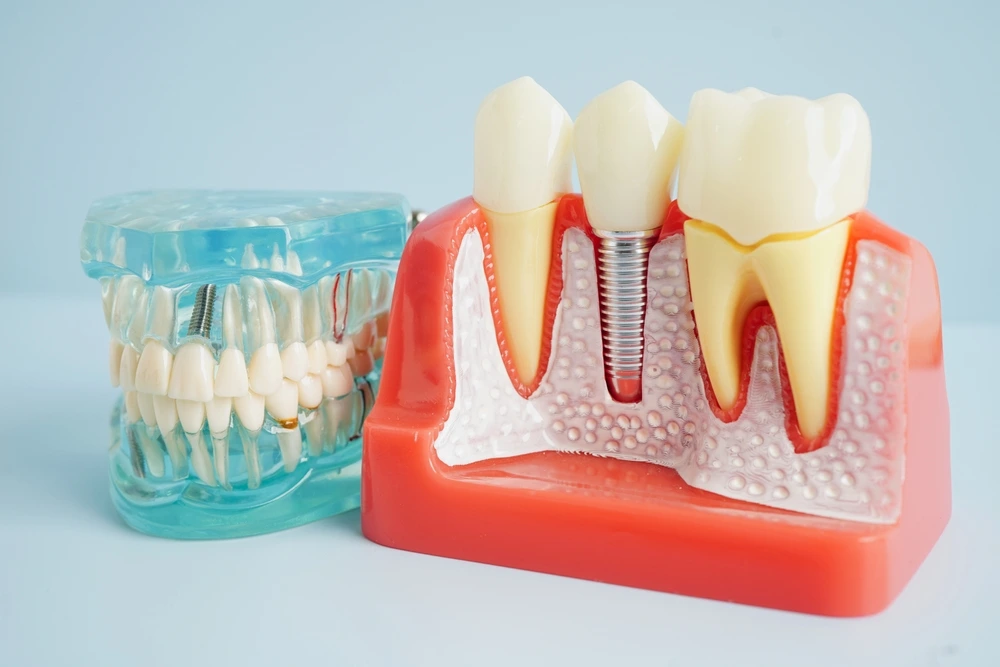
Dental implants are widely considered the gold standard for replacing missing teeth, and for good reason. They are durable, look natural, and function much like your own teeth. When you invest the time and budget into getting an implant, you naturally want that result to last a lifetime. While implants have a high success rate, they aren't completely immune to problems. At Family Dental of Pelham, we believe that understanding the common risks is the best way to help you keep your restoration healthy and stable for the long haul.
The Role of Bacterial Infection
The biggest threat to a dental implant is an infection called peri-implantitis. It sounds complicated, but it is essentially gum disease that attacks the area around your implant. Even though the implant itself is made of metal or ceramic and cannot get a cavity, the gum tissue and the jawbone surrounding it are still living tissues.
If plaque and tartar are allowed to build up along the gumline, bacteria will begin to colonize the area. This leads to inflammation that can slowly break down the bone holding the implant in place. Because implants don't have the same nerve endings as natural teeth, you might not feel pain during the early stages of this infection. This is why keeping the area clean is non-negotiable. You have to be just as diligent with your flossing and brushing around an implant as you are with your natural teeth.
Issues With Healing and Bone Fusion
The success of an implant relies on a biological process called osseointegration, where your jawbone grows into and bonds with the surface of the implant. It is a brilliant bit of biology, but it requires the right conditions to work. Sometimes, this fusion doesn't happen quite as firmly as we would like.
Several things can get in the way. If there isn't enough bone density in the area to begin with, the implant might not get the support it needs to stay rock-solid. Another factor is timing. If an implant is put under too much pressure or force before the bone has fully bonded to it, the process can be disrupted. This is why we are often strict about what you can chew in the weeks immediately following your procedure. Following those recovery guidelines is one of the best ways to ensure your implant stays put.
Lifestyle Factors and Your General Health
Your overall health has a major impact on how your body accepts a dental implant. For instance, smoking is one of the most significant risk factors for implant failure. Tobacco use restricts blood flow to the mouth, which severely hampers your body's ability to heal after surgery and fight off bacteria. Smokers often find that their tissues just don't regenerate as well as those of non-smokers.
Chronic health issues, such as poorly managed diabetes, can also play a part. High blood sugar can dampen your immune system, making you more prone to complications. If you are preparing for an implant, please be open with us about your medical history. We want to work with you to ensure your body is in the best possible shape to support the treatment.
The Hidden Impact of Grinding
A surprising number of people grind or clench their teeth, often while they are deep asleep. This condition, known as bruxism, puts a tremendous amount of stress on the entire jaw. When you have an implant, that extra pressure is transferred directly into the fixture and the surrounding bone.
Over time, this constant clenching can cause the implant to loosen or even crack the crown attached to it. If you wake up with a sore jaw, a dull headache, or if someone has told you that you grind your teeth at night, let us know. We can usually create a custom night guard to take the pressure off your teeth and protect your implant while you sleep.
Why Keeping Up With Checkups Matters
It is tempting to skip a dental visit if everything feels fine, but that is a mistake when you have implants. A big part of our job at a dentist in Pelham is to act as a safeguard. During your routine exams, we use specialized tools to check for subtle signs of bone loss or inflammation that you wouldn't notice on your own. Solving a small problem before it turns into a big one is usually very straightforward, but it requires catching it early.
We are here to be your partners in maintaining your oral health. Whether you are currently thinking about getting an implant or you want to make sure your existing one stays in great shape, we are always happy to help. Clear communication is at the heart of everything we do, so you always know where you stand with your treatment.
Frequently Asked Questions
Q: How can I tell if my dental implant is failing?
A: Watch for persistent soreness, swelling in the gums, or a feeling that the tooth is slightly loose. If any of those symptoms pop up, come see us as soon as you can for a quick check.
Q: Is a little bit of redness normal around the gum?
A: A tiny amount of redness can happen, but it shouldn't linger. If the gum stays red or bleeds when you clean it, that is a red flag for infection and needs to be evaluated.
Q: What happens if an implant actually fails?
A: If that happens, we will figure out why. We might be able to remove the failing one, let the site heal up, and place a new one later, but it all depends on how much healthy bone you have left.
Q: Do I need to change my diet for my implants?
A: Implants are tough, but they aren't invincible. Try to avoid chewing on super hard stuff like ice, unpopped kernels, or hard candies. That kind of force can damage the restoration on top.
Q: What if I don't have enough bone for an implant?
A: You aren't necessarily out of luck. Many patients can get a bone graft, which adds a bit of structure to the area so that it has the support it needs for an implant later on.
Q: Why are follow-up visits so important for implants?
A: Those appointments are our chance to make sure everything is healing exactly as it should and to catch any tiny issues before they turn into bigger headaches for you.
Call Family Dental of Pelham today at (603) 635-2146 to schedule your dental consultation with Dr. Ruchieka Vij and Dr. Hitesh Vij. You may also email us at dentist@familydentalofpelham.com if you have any questions.
We proudly serve families across Lowell, Nashua, Lawrence, Haverhill, Merrimack, Tewksbury, Derry, Londonderry, Salem, Dracut, Hudson, Pelham, Tyngsborough, Methuen, Windham, and Litchfield.
A healthy smile builds confidence and comfort—and you deserve care that lasts a lifetime.
This form is for contact purposes only. Please do not share personal health information (PHI). We will call you to discuss your medical condition We will call you to discuss your medical condition, and we will address your concerns during your visit.

Monday: 8 AM - 5 PM
Tuesday: 8 AM - 5 PM
Wednesday: 8 AM - 5 PM
Thursday: 8 AM - 5 PM
Friday–Sunday: Closed

Call Us (603) 635-2146

Phone
Have dental questions? We are just a phone call away and ready to provide the answers you need.

Compassionate Care Meets Advanced Dentistry. Reserve your visit and take the first step toward a healthier smile.


©2026 Family Dental of Pelham. All Rights reserved | Privacy Policy | Digital Marketing by Remedo