Why Do My Gums Bleed When I Brush?
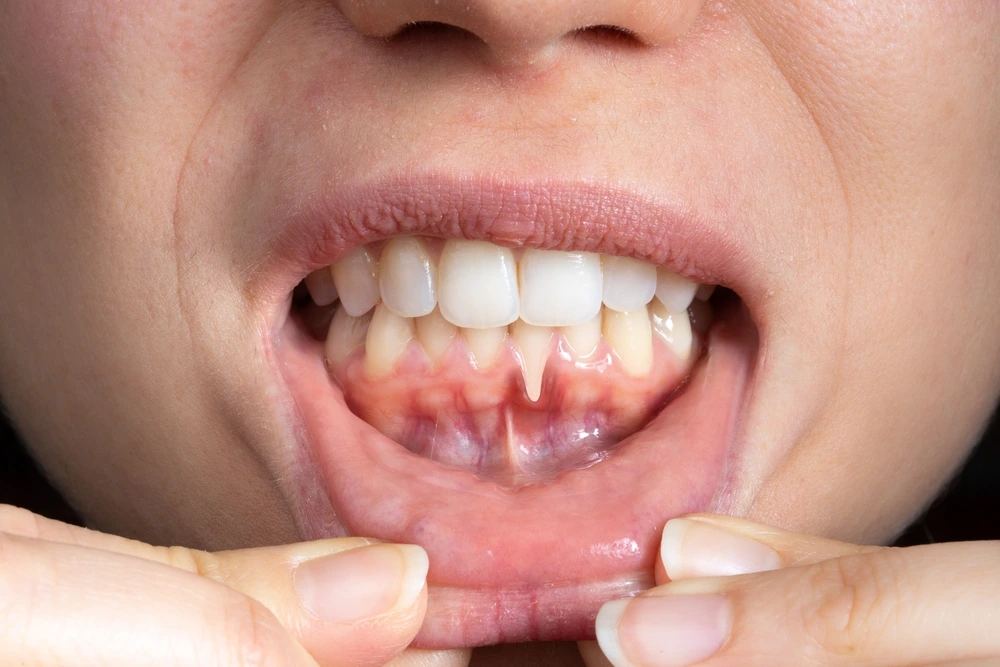
It is a moment most of us have experienced at least once. You are standing at the bathroom sink, going through your morning routine, and you spit into the basin only to see a hint of pink in the foam. Your first reaction might be to ignore it, or perhaps you worry that you were just a little too aggressive with your bristles. While it is true that a heavy hand can cause minor irritation, seeing blood when you brush is often your mouth trying to tell you something important. At Family Dental of Pelham, we hear this concern quite often, and it is usually a sign that your gums are not quite as happy as they could be.
The Most Common Culprit: Plaque Buildup
In the vast majority of cases, bleeding gums are a direct result of plaque. Plaque is that soft, sticky film of bacteria that forms on your teeth throughout the day. If it is not removed through regular brushing and flossing, it begins to harden into tartar. This buildup sits right along the gumline, and it is full of bacteria that thrive on your tooth surfaces.
When your gums are exposed to this constant bacterial attack, they naturally become inflamed. This condition is known as gingivitis, which is the earliest stage of gum disease. Your gums might look a little puffy, appear redder than usual, or feel tender to the touch. Because the tissue is already inflamed, even the gentle motion of a toothbrush can cause it to bleed. It is a bit of a vicious cycle: your gums bleed, so you brush that area less, which allows even more plaque to build up, making the bleeding and inflammation worse.
Could Your Brushing Habits Be the Cause?
While gum disease is a leading cause, it is not the only reason for bleeding. Sometimes, it really does come down to the way you handle your toothbrush. We live in a world where we often think that harder work leads to better results, but that does not apply to dental care. If you are using a stiff-bristled brush or applying significant pressure, you are effectively scrubbing away at healthy tissue.
Over time, this aggressive approach can cause your gums to recede, exposing the sensitive roots of your teeth. Receding gums can make you prone to sensitivity to hot and cold foods, and the irritated tissue will bleed easily. If you notice that your gums bleed only in specific spots, take a look at your technique. Are you scrubbing back and forth like you are cleaning a grout line? Try switching to a soft-bristled brush and using gentle, circular motions instead. You might find that the bleeding subsides once you change your approach.
Nutrition and Lifestyle Factors
Your oral health is deeply connected to your overall body health, and your diet plays a bigger role than you might think. Vitamin deficiencies, particularly a lack of Vitamin C or Vitamin K, can make your gums more susceptible to bleeding. Vitamin C is essential for collagen production, which helps keep your gum tissue firm and resilient. If your diet is consistently lacking in fruits and vegetables, your body might not have the tools it needs to keep your gums strong.
Lifestyle choices matter too. Smoking and using tobacco products are major enemies of gum health. These habits reduce blood flow to the gums, which can hide the signs of gum disease until it has progressed quite far. Because of the reduced blood flow, you might not even see the typical redness or bleeding, which makes it harder to know when there is a problem. This is why regular visits to a dentist in Pelham are so important. We can look past the surface and help you understand exactly what is happening in your mouth.
When Should You Be Concerned?
A little bit of blood once in a while might seem like a small issue, but it should never be ignored for weeks on end. If you notice persistent bleeding, persistent bad breath, or gums that seem to be pulling away from your teeth, it is time to take action. These can be indicators that the inflammation has moved beyond the surface level and is potentially affecting the structures that support your teeth.
Taking care of your gums is a lifelong project. It is not something you do once and then forget about. It involves a daily routine, smart food choices, and professional checkups at Family Dental of Pelham. By addressing the bleeding early, you are usually able to reverse the inflammation and get back to a healthy baseline. The earlier you address these issues, the easier they are to manage.
Prevention and Daily Care
The best way to stop the bleeding is to be consistent with the basics. Flossing is non negotiable. Many people tell us they only floss right before their dental appointment, but that is like exercising only once before a race. You need to floss every single day to remove the food and bacteria that your toothbrush simply cannot reach. If you are not in the habit of flossing, start today. Even if your gums bleed a bit at first, keep at it. As the area gets cleaner, the bleeding will naturally decrease and eventually stop.
Consider also the products you are using. Some people find relief by switching to a toothpaste specifically designed for gum health. While a specific toothpaste won't remove tartar, it can help soothe irritated tissue. Above all, maintain your schedule of professional cleanings. Our team can remove the tartar that you simply cannot get off at home, which gives your gums the fresh start they need to heal.
Frequently Asked Questions
Q: Is it normal for my gums to bleed when I start flossing again?
A: Yes, it is quite common. If you have not been flossing regularly, your gums may be sensitive and prone to bleeding as they get used to the movement. This usually stops within a week or two of consistent daily flossing.
Q: Can pregnancy cause my gums to bleed?
A: Absolutely. Hormonal changes during pregnancy can increase blood flow to the gums, making them much more sensitive to plaque. This is sometimes called pregnancy gingivitis, and it is a good reason to keep up with your dental checkups during this time.
Q: Will changing my toothbrush help with bleeding?
A: It very well might. If you are using a medium or hard-bristled brush, you are likely irritating your gums. Switching to a soft-bristled brush can help significantly, especially if you have been brushing too hard.
Q: Do I need to see a dentist immediately if I see blood?
A: If the bleeding is caused by a recent injury, then yes. However, if it is happening during your daily routine, you do not necessarily need an emergency appointment, but you should schedule a checkup to have it looked at.
Q: Can mouthwash stop the bleeding?
A: Mouthwash is a great addition to your routine, but it is not a solution on its own. It can help rinse away bacteria and soothe irritation, but it will not remove the plaque and tartar that are the root cause of the bleeding.
Q: What are the long term risks of ignoring bleeding gums?
A: Ignoring the signs of gum disease can eventually lead to periodontitis, which is a more severe form of infection. This can lead to loose teeth and even tooth loss if it is left untreated for a long time.
Call Family Dental of Pelham today at (603) 635-2146 to schedule your dental consultation with Dr. Ruchieka Vij and Dr. Hitesh Vij. You may also email us at dentist@familydentalofpelham.com if you have any questions.
We proudly serve families across Lowell, Nashua, Lawrence, Haverhill, Merrimack, Tewksbury, Derry, Londonderry, Salem, Dracut, Hudson, Pelham, Tyngsborough, Methuen, Windham, and Litchfield.
A healthy smile builds confidence and comfort—and you deserve care that lasts a lifetime.
This form is for contact purposes only. Please do not share personal health information (PHI). We will call you to discuss your medical condition We will call you to discuss your medical condition, and we will address your concerns during your visit.

Monday: 8 AM - 5 PM
Tuesday: 8 AM - 5 PM
Wednesday: 8 AM - 5 PM
Thursday: 8 AM - 5 PM
Friday–Sunday: Closed

Call Us (603) 635-2146

Phone
Have dental questions? We are just a phone call away and ready to provide the answers you need.

Compassionate Care Meets Advanced Dentistry. Reserve your visit and take the first step toward a healthier smile.


©2026 Family Dental of Pelham. All Rights reserved | Privacy Policy | Digital Marketing by Remedo